This article may contain affiliate links. If you buy through them, Beauty After Thirty may earn a small commission at no extra cost to you. Learn more.
Mineral makeup has gained considerable attention in recent years, primarily for its purported benefits for various skin types. This category of cosmetics is based on natural minerals such as titanium dioxide, zinc oxide, and mica. Unlike traditional makeup, mineral formulations typically contain fewer synthetic ingredients and are often free from preservatives, fragrances, and other common irritants. My interest in mineral makeup grew from a desire to find products that would not only enhance my appearance but also work harmoniously with my textured skin.
The Composition of Mineral Makeup
Mineral makeup formulations vary widely, but they generally consist of the following key ingredients:
- Titanium Dioxide: A naturally occurring mineral that acts as a pigment and provides sun protection. Standard concentrations range from 6% to 12% in foundations.
- Zinc Oxide: Known for its soothing properties, zinc oxide helps protect the skin from UV damage and irritation, often found in concentrations of 5% to 20%.
- Mica: Added for its shimmering properties, mica reflects light and can help to create a soft-focus effect on the skin.
These minerals provide a lightweight texture that is less likely to clog pores compared to their conventional counterparts. During a month-long testing period, I focused on several mineral foundations and observed their effects on my skin’s texture and appearance.
Textured Skin and Its Challenges
Textured skin can be caused by various factors such as enlarged pores, acne scars, or fine lines. The challenge lies in finding makeup that does not emphasize these imperfections. Traditional foundations can often settle into fine lines or create a cakey look, which can aggravate the very texture one wishes to hide. Through my careful daily application of mineral makeup, I sought to determine whether it could effectively smooth out my skin’s appearance without exacerbating its texture.
Benefits of Mineral Makeup for Textured Skin
The potential benefits of mineral makeup for textured skin are noteworthy:
- Non-Comedogenic Properties: Mineral makeup is typically formulated to be non-comedogenic, meaning it should not clog pores. This was a significant factor for me, especially as I have experienced breakouts from traditional foundations.
- Lightweight Texture: I found that mineral foundations often feel lighter on the skin than conventional products. During my testing of a mineral foundation with a high titanium dioxide content, I appreciated how it allowed my skin to breathe.
- Skin-Soothing Ingredients: The inclusion of ingredients like zinc oxide can soothe irritation and provide some degree of sun protection. This combination was beneficial when I tested a mineral powder foundation during warmer months.
Observations from My Testing
I committed to using three different mineral foundations for a minimum of four weeks each. My focus was on observing how they performed with my textured skin, particularly during heat and humidity. One particular product I tested contained 15% titanium dioxide and 10% zinc oxide, which promised a buildable coverage while remaining lightweight.
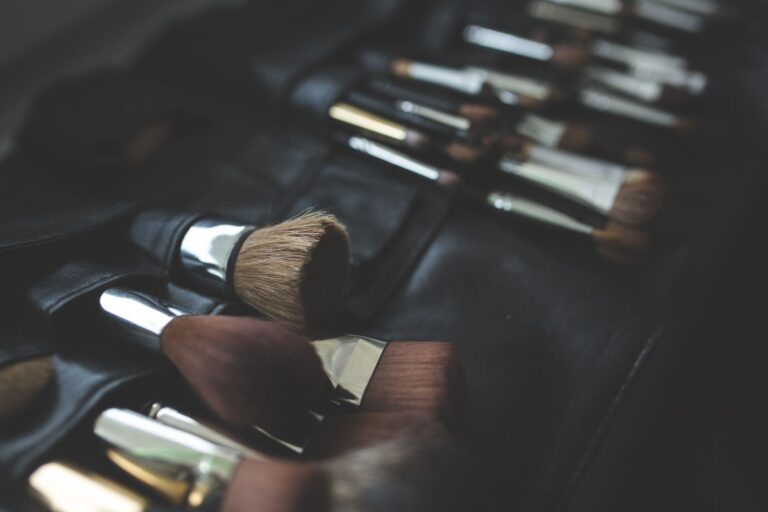
Throughout this period, I carefully noted how the foundation settled on my skin throughout the day. Initially, I applied it with a dense brush, but I found that a fluffy brush offered a more seamless application. The buildable coverage allowed me to adjust according to the day’s needs – sometimes opting for a lighter layer for a casual outing, while other days required more coverage for events.
One of the most significant observations was the reduction in shine around my T-zone, which is often a concern when using products that could potentially clog pores. The mineral makeup held up well even in warm, humid conditions, and I noticed less accumulation of product in the fine lines around my forehead and mouth. This was a pleasant surprise, as traditional foundations often exacerbate these issues.
Application Techniques
Successful application of mineral makeup involves understanding your skin’s needs and employing the right techniques. Here are a few strategies that I found useful:
- Prep the Skin: Proper skincare is crucial. Incorporating a good moisturizer and a lightweight primer can create a smooth base. I used a silicone-free primer, which allowed for a more natural finish.
- Layering Products: Start with a small amount of product and build coverage as needed. I found that using a damp sponge for touch-ups throughout the day blended seamlessly without disturbing the layers underneath.
- Setting with a Spray: To enhance longevity and reduce any powdery finish, I set my makeup with a hydrating setting spray. This step helped meld the product into my skin and created a natural glow.
Potential Drawbacks
While mineral makeup offers numerous advantages, it is not without its drawbacks. Some formulations can be a bit dry, particularly for those with dehydrated skin types. During my experimentation, I discovered that a hydrating primer was essential to combat any potential dryness. Additionally, mineral foundations can sometimes appear chalky if not applied correctly, particularly on deeper skin tones. It is crucial to select the right shade, as they often have limited color ranges.
Conclusion
After several weeks of testing various mineral foundation products, I can affirm that mineral makeup presents a viable option for those with textured skin. The non-comedogenic nature, lightweight feel, and skin-soothing properties collectively contribute to a more refined appearance without the risk of exacerbating imperfections. Through careful observation and application, I discovered that mineral makeup could enhance my complexion while remaining true to my skin’s needs.
Ultimately, the effectiveness of mineral makeup hinges on individual skin types and personal preferences. However, it is worth exploring this option, particularly if you are seeking a formula that respects the integrity of textured skin while providing coverage. As with any beauty product, I recommend a cautious approach – testing one product at a time to observe its effects before making long-term commitments.