This article may contain affiliate links. If you buy through them, Beauty After Thirty may earn a small commission at no extra cost to you. Learn more.
Gua sha is a traditional Chinese practice involving the use of a smooth-edged tool to scrape the skin, typically on the face and neck. While its origins are rooted in healing practices, it has gained popularity in the skincare community as a technique purported to enhance product absorption. My interest in gua sha began several months ago when I sought to deepen my understanding of how various tools can interact with active ingredients in my skincare routine. In this exploration, I will share my firsthand experiences with gua sha techniques and the role they may play in product absorption.
Understanding Gua Sha
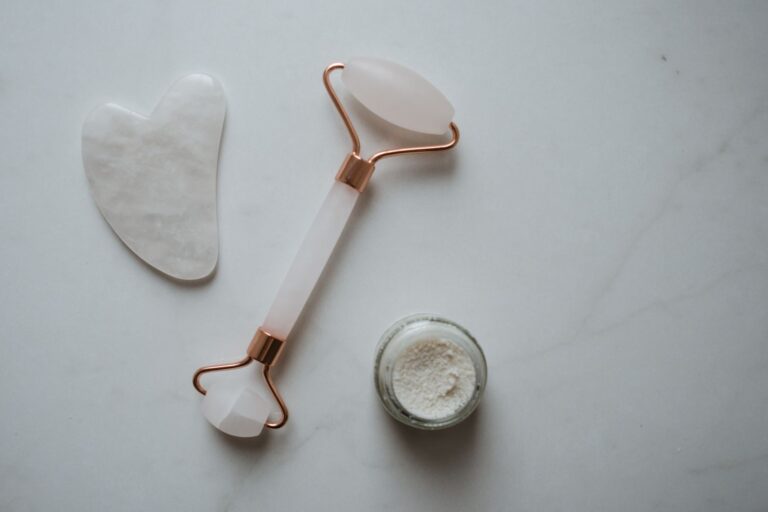
The gua sha tool is usually made from materials such as jade, rose quartz, or stainless steel. Each material offers a different aesthetic and tactile experience, but the principles behind their use remain the same. The scraping motion is designed to promote circulation, lymphatic drainage, and relaxation. In theory, these effects can enhance the penetration of topical products applied during the process.
During my testing, I used a jade gua sha tool for four weeks. My goal was to determine if there were noticeable differences in product absorption and overall skin texture when incorporating gua sha into my routine. I primarily focused on serums containing hyaluronic acid, a commonly used ingredient known for its hydrating properties, typically found in concentrations of around 1% to 2%.
Techniques for Effective Gua Sha
There are several techniques for effectively using a gua sha tool, each emphasizing different areas of the face. Here are a few methods I found particularly beneficial:
- Gliding on the Cheeks: Using the tool, I started at the center of my chin and glided it outwards towards my ears. This movement took about 10 strokes on each side, applying gentle pressure to stimulate blood flow without causing discomfort.
- Forehead Smoothing: I then moved to my forehead, using upward strokes starting from the eyebrows to the hairline. This technique felt soothing and helped relieve tension that often accumulates in this area.
- Neck and Jawline: Finally, I employed downward strokes on my neck from the chin to the collarbone and upward strokes along my jawline. This method aimed to encourage lymphatic drainage, which I hoped would help reduce puffiness.
I performed these techniques in the morning after cleansing and prior to applying my serums. The entire routine took around 10 minutes, and I repeated it for four weeks. After each session, I took note of how my skin felt and looked, particularly focusing on hydration levels and any differences in texture.
Assessing Product Absorption
The primary question driving my investigation was whether gua sha enhances the absorption of topical products. In my case, I used a hyaluronic acid serum with a concentration of 1.5% during this period. Hyaluronic acid is known for its ability to bind moisture, making it a popular ingredient in hydrating formulations. I applied the serum immediately before using the gua sha tool, reasoning that the massage might facilitate better penetration of the product.
Over the course of the month, I observed various changes in my skin’s condition. One notable observation was that on days when I used gua sha, my skin felt more hydrated throughout the day. I also noted an improvement in overall texture, with my skin appearing plumper and more radiant. However, it is important to consider that these changes might not solely be attributed to the gua sha technique. Other factors such as proper hydration and a balanced diet could also play a role.
The Science Behind Gua Sha and Absorption
While my personal observations were encouraging, it is essential to examine the scientific backing regarding gua sha and product absorption. The majority of studies on topical absorption focus on the ingredients themselves, such as penetration enhancers, rather than tools like gua sha. However, there are some principles of topical absorption that suggest increased circulation and warmth may aid in ingredient penetration.
For instance, one study published in *The Journal of Investigative Dermatology* discussed how skin temperature could affect the absorption of certain compounds. Warmer skin may allow for better permeability, which could explain why using a gua sha tool, which promotes blood flow, might improve product uptake. Nevertheless, the evidence is circumstantial, and further studies specifically addressing gua sha and its role in absorption are warranted.
Personal Reflection and Considerations
Through my four-week gua sha regimen, I found the experience to be both meditative and visually rewarding. The act of spending time on my skincare routine offered a moment of calm, separating it from the sometimes rushed nature of daily life. Additionally, I appreciated the tactile elements of using a gua sha tool – its coolness against my skin and the rhythmic scraping against my contours felt luxurious in a simple way.
It is important, however, to approach gua sha with reasonable expectations. While my skin did appear more luminous during the testing period, I recognize that skincare is multifaceted. Factors such as consistent use of active ingredients, lifestyle changes, and even hormonal fluctuations can all impact skin condition. Gua sha should not be viewed as a replacement for a well-rounded skincare regimen but rather as a complementary practice.
Conclusion
In summary, my exploration of gua sha techniques revealed potential benefits for product absorption and overall skin appearance. While my personal experience indicated positive changes, the lack of comprehensive scientific evidence necessitates a measured approach to adopting this technique. As with any skincare practice, individual results may vary, and it is essential to remain grounded in realistic expectations. As I continue to refine my skincare routine, I will keep gua sha as a tool in my arsenal, appreciating its ritualistic qualities while staying attentive to the science behind product absorption.