This article may contain affiliate links. If you buy through them, Beauty After Thirty may earn a small commission at no extra cost to you. Learn more.
The sequence in which we apply skincare products can significantly influence their effectiveness. Each layer interacts with the skin differently, and understanding this interaction is essential for optimizing a skincare routine. In this article, I will explore the principles behind product layering, discuss the ideal order of application, and share my experiences with specific ingredients.
The Basics of Absorption
Skin absorption is influenced by various factors, including the molecular size of ingredients, the formulation of the product, and the condition of the skin barrier. Generally, lighter, smaller molecules should be applied before heavier ones, as this allows for better penetration.
For example, water-based serums typically have smaller molecules and can penetrate deeper into the skin compared to oil-based products. Understanding this fundamental concept can help you formulate an effective skincare routine.
Step-by-Step Guide to Product Layering
1. Cleansing
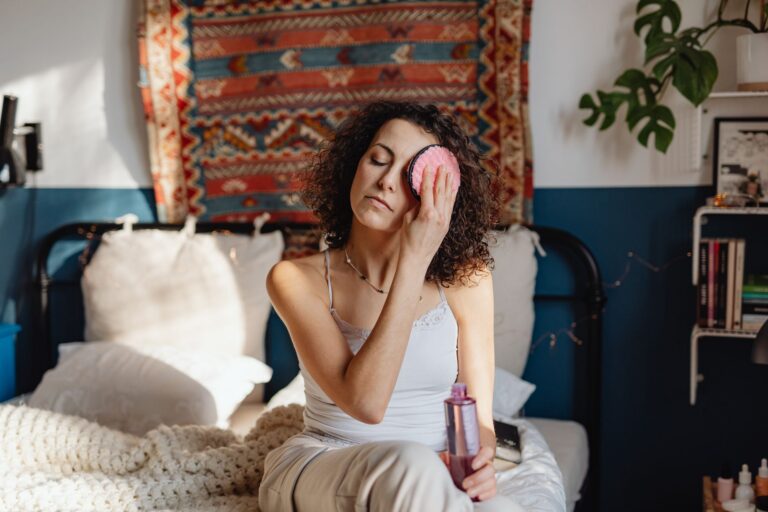
The first step in any skincare routine is cleansing. This removes dirt, oil, and makeup, preparing the skin for subsequent products. I have experimented with both gel and cream cleansers, preferring a gentle gel formulation that effectively cleanses without stripping my skin of moisture.
2. Toner or Essence
After cleansing, many opt for a toner or essence. These products can provide hydration and prepare the skin for better absorption of the next layers. I have used a hydrating essence containing hyaluronic acid at a concentration of 1%, which seemed to boost the moisture levels and improve the overall texture of my skin. I applied it daily for two weeks, noting increased hydration without any adverse reactions. The light, watery consistency allows it to absorb quickly, making it an ideal second step.
3. Serums
Serums are often the most potent part of a skincare regimen. They usually contain higher concentrations of active ingredients and are formulated to target specific skin concerns. It is advisable to layer them from thinnest to thickest. For instance, I have tested a niacinamide serum at a concentration of 10% over a six-week period. I observed improvements in my skin’s texture and a reduction in the appearance of pores. Since niacinamide has been shown to help regulate oil production, I focused on areas that are prone to greasiness.
4. Treatment Products
If you use targeted treatments, such as acne medications or prescription retinoids, these should be applied at this stage. I have incorporated retinaldehyde into my routine at a concentration of 0.05%, testing it for eight weeks. The results were promising; I noticed a subtle improvement in fine lines and overall skin firmness. However, I made sure to apply it only three nights a week, observing how my skin reacted before increasing the frequency.
5. Moisturizer
Moisturizers serve to lock in hydration and provide a protective barrier. When selecting a moisturizer, consider its texture and the ingredients it contains. For my routine, I prefer a lightweight gel-cream formula containing ceramides, which help replenish the skin barrier. I observed that my skin felt more resilient and less prone to irritation after stabilizing it with this moisturizer for about a month.
6. Sunscreen (Morning Routine)
Sunscreen is crucial in any morning skincare routine. It should always be the final step of your daytime regimen. I have tested several formulations, but my current preference is a broad-spectrum SPF 50 that is lightweight and does not leave a greasy residue. This allows for seamless application under makeup, ensuring I do not skip this essential step.
Additional Considerations
Product Consistency
When layering products, pay attention to the consistency of each layer. Thicker products can create a barrier that prevents lighter products from penetrating effectively. Therefore, I have found it beneficial to wait a few moments between steps, allowing each product to absorb properly before moving on to the next.
Skin Type and Conditions
Every individual’s skin is unique, and factors such as skin type, sensitivity, and particular skin conditions should guide your product choices. For example, those with oily skin may prefer oil-free formulations, while dry skin types might benefit from richer creams or oils. Over the past year, I have adjusted my routine seasonally, noting how my skin responds to humidity and temperature changes. I found that during winter months, a richer nighttime moisturizer significantly improved my skin’s hydration levels.
Patch Testing
Before introducing new products, I always conduct patch tests, especially for active ingredients. This practice helps to identify any potential adverse reactions. I typically apply a small amount of the new product to an inconspicuous area, such as behind my ear, for 48 hours before proceeding with full application. This method has saved me from frustrations and ensured that my routine remains effective.
Conclusion
Layering skincare products effectively is grounded in an understanding of how different formulations interact with the skin. By applying products in the correct order – starting from cleansing and moving to hydration and protection – you can maximize the benefits of each ingredient. My careful experimentation with specific actives such as niacinamide and retinaldehyde has affirmed the importance of individualizing routines to fit personal skin needs and responses. Your skincare journey is unique, and patience is key to discovering what works best for you.