This article may contain affiliate links. If you buy through them, Beauty After Thirty may earn a small commission at no extra cost to you. Learn more.
Scalp health is often overlooked in the broader conversations about hair care, but it forms the foundation for healthy hair growth. One ingredient that has garnered attention for its efficacy in addressing scalp issues is salicylic acid. A beta-hydroxy acid (BHA), salicylic acid is well-known for its exfoliating properties and has been studied primarily in the context of acne treatment. However, its role in scalp care deserves a closer examination, particularly for those experiencing dandruff, oiliness, or irritation.
The Mechanism of Salicylic Acid
Salicylic acid works by penetrating oil-laden follicles and promoting exfoliation, which can help to clear away dead skin cells. This action can be particularly beneficial for individuals with oily scalps, where excess sebum can contribute to issues like dandruff and clogged hair follicles. Studies have indicated that salicylic acid can effectively reduce scalp flakiness and irritation through its keratolytic properties, often found in concentrations ranging from 0.5% to 2% in topical formulations.
Evaluating Scalp Conditions
Before delving into my personal experiences with salicylic acid, it is crucial to identify common scalp conditions that may benefit from this ingredient. Some of the most prevalent issues include:
- Dandruff: Characterized by flaking and itching, dandruff can be exacerbated by excess oil and product buildup.
- Seborrheic Dermatitis: A more severe condition that presents as red, inflamed patches on the scalp.
- Product Buildup: Caused by the accumulation of hair products, leading to an oily and unhealthy scalp.
Identifying your specific scalp condition can help you determine whether salicylic acid is a suitable treatment option.
Personal Experience with Salicylic Acid
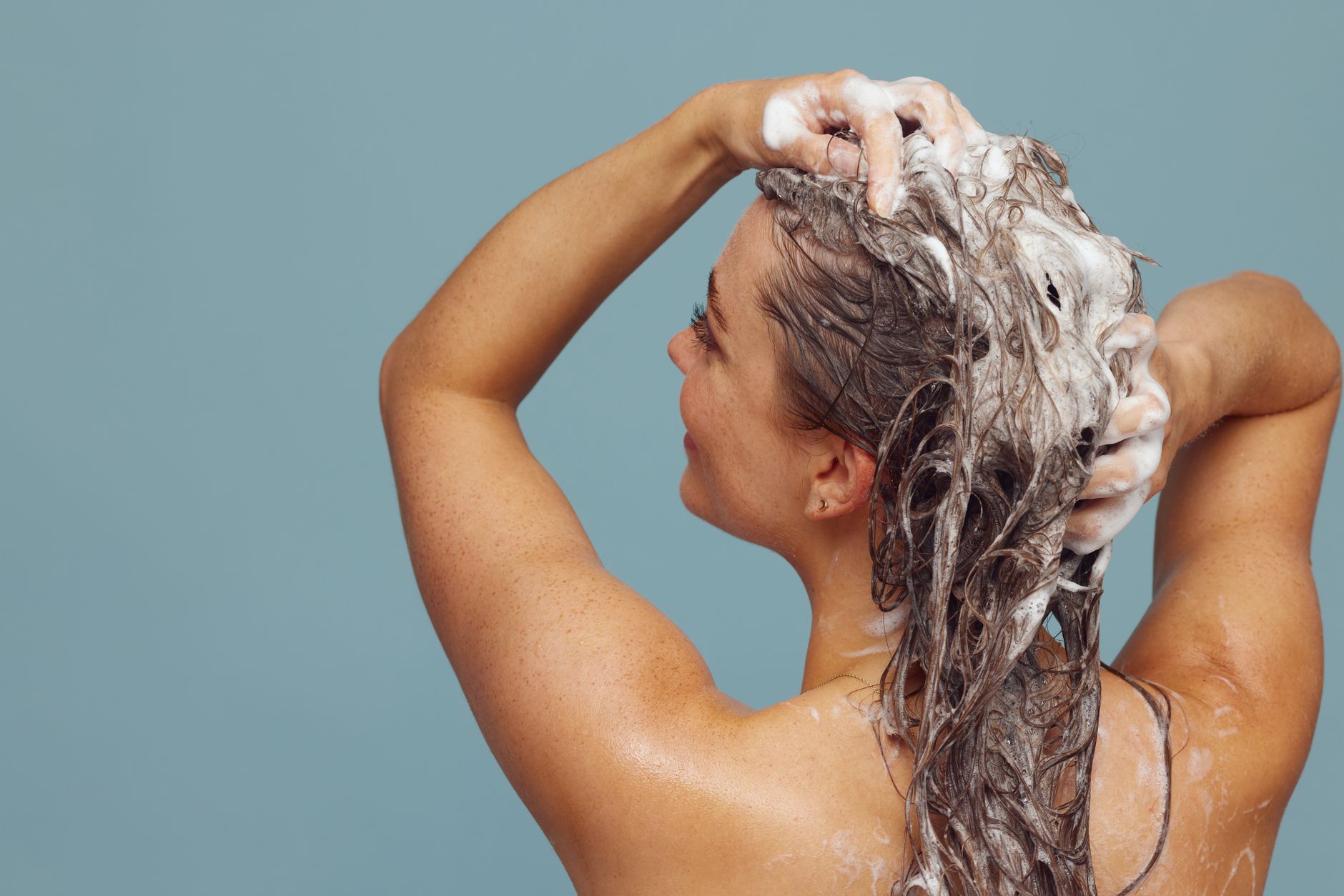
In my journey to improve my scalp health, I decided to experiment with a salicylic acid shampoo, formulated with 2% salicylic acid, over a period of six weeks. My primary goal was to manage persistent dandruff and the accompanying itchiness that I had been experiencing sporadically. Throughout this period, I observed changes in both the scalp condition and how my hair responded to styling products.
The first week was largely unremarkable. The shampoo had a refreshing scent and produced a satisfying lather. However, I noted that the immediate sensation was slightly drying, which I expected considering the exfoliating nature of salicylic acid. By the second week, I began to notice a reduction in flakes and less itchiness after shampooing. My scalp felt cleaner, which I attributed to the salicylic acid’s ability to clear away dead skin cells.
By the end of the six-week trial, the dandruff had significantly improved. I also noticed that my hair appeared shinier and less weighed down by styling products. It became clear that salicylic acid effectively addressed the buildup that often accompanied my regular hair care routine. However, I was cautious about using the shampoo too frequently. I opted for a twice-a-week application, allowing my scalp time to recover and avoid potential over-exfoliation, which can lead to irritation.
Choosing the Right Product
When selecting a salicylic acid product for scalp health, ingredient formulation is vital. Look for shampoos or scalp treatments with clear labeling that specifies the concentration of salicylic acid. It is also worth noting that some products may contain additional beneficial ingredients such as tea tree oil or menthol, which can contribute to a soothing experience while enhancing the effectiveness of salicylic acid.
Potential Side Effects
While salicylic acid can provide significant benefits, it is important to be aware of potential side effects. Excessive use may lead to dryness, irritation, or an imbalance in the scalp’s natural flora. I noticed slight dryness on the days immediately following my application, particularly in the first two weeks, which prompted me to ensure that I followed up with a moisturizing conditioner targeted for scalp health. This combination helped to mitigate any drying effects while still allowing the salicylic acid to perform its function effectively.
Is Salicylic Acid Suitable for Everyone?
While many individuals may benefit from salicylic acid, it is not universally suitable for everyone. Those with very dry or sensitive scalps should exercise caution and consider patch testing before incorporating a salicylic acid product into their routine. If irritation occurs, it may be prudent to consult with a dermatologist for personalized advice on scalp health.
Combining Salicylic Acid with Other Treatments
For those who struggle with severe scalp conditions, combining salicylic acid with other treatments may provide additional benefits. Ingredients such as zinc pyrithione and ketoconazole are often used in conjunction with salicylic acid to target dandruff and seborrheic dermatitis more effectively. However, individuals should approach combination treatments judiciously, ensuring that they do not overwhelm their scalp with too many active ingredients at once.
Alternative Treatments
While salicylic acid has proven to be effective for many, it is not the only option available. For those looking for alternatives, consider the following ingredients that can support scalp health:
- Tea Tree Oil: Known for its antimicrobial properties, tea tree oil can help to soothe an irritated scalp while also combating fungal growth associated with dandruff.
- Zinc Pyrithione: Frequently found in anti-dandruff shampoos, this ingredient is effective at reducing scalp inflammation and flakiness.
- Ketoconazole: An antifungal agent, ketoconazole is beneficial for combating specific scalp conditions, particularly seborrheic dermatitis.
When exploring these alternatives, consider your specific scalp needs and consult product labels for the concentration of active ingredients.
Final Thoughts on Salicylic Acid for Scalp Health
Salicylic acid has shown itself to be a valuable tool in the quest for optimal scalp health. Through careful experimentation, I observed its effectiveness in reducing dandruff and enhancing the overall condition of my scalp. However, individual experiences may vary significantly based on specific scalp concerns and personal sensitivities. Always remember to start slowly, observe your scalp’s reactions, and integrate additional ingredients thoughtfully to foster a healthy environment for hair growth.