This article may contain affiliate links. If you buy through them, Beauty After Thirty may earn a small commission at no extra cost to you. Learn more.
Thinning hair is a concern that many of us experience as we age. While factors such as genetic predisposition, hormonal changes, and environmental stressors play significant roles, adjusting your hair care routine can positively impact the health and appearance of your hair. In this article, I will outline practical steps to modify your hair care regimen, focusing on ingredients and techniques that have shown potential benefits for thinning hair.
Understanding Thinning Hair
Before diving into specific products and techniques, it is essential to understand why hair thinning occurs. The hair growth cycle consists of three phases: anagen (growth), catagen (transition), and telogen (rest). As we age, the duration of the anagen phase can shorten, leading to thinner strands and an increase in hair shedding. Additionally, factors such as nutritional deficiencies or improper hair care can exacerbate this issue.
Choosing the Right Shampoo
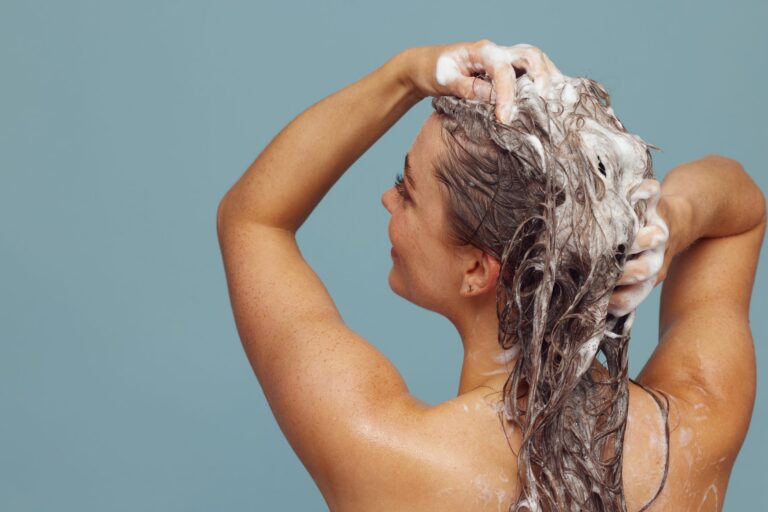
The shampoo you use plays a pivotal role in maintaining scalp health and promoting hair growth. When selecting a shampoo for thinning hair, look for formulations that are sulfate-free and contain ingredients known for their volumizing and strengthening properties.
Key Ingredients to Consider
- Biotin: This vitamin, part of the B-complex family, is often touted for supporting hair health. While scientific evidence remains limited, some studies suggest that biotin may improve overall hair thickness. A typical concentration in hair care products ranges from 0.1% to 5%.
- Caffeine: Topical caffeine has been shown in some studies to stimulate hair follicles by blocking dihydrotestosterone (DHT), a hormone linked to hair loss. Look for shampoos containing caffeine in concentrations around 1%.
- Peptides: Peptides can strengthen hair by promoting collagen production and supporting scalp health. Products featuring peptides often have effective concentrations between 0.5% and 2%.
In my testing, I used a biotin-enriched shampoo for six weeks, paying close attention to hair texture and scalp condition. I noticed improved overall volume and a less oily scalp, which contributed to a fresher appearance. However, I remain cautious about attributing these results solely to biotin, as the improvements could be due to other factors.
Hair Conditioning and Treatment
Conditioning is a crucial step in any hair care routine, especially for thinning hair. A good conditioner not only hydrates but also helps to minimize breakage. Look for lightweight formulations to avoid weighing hair down.
Deep Conditioning Treatments
In addition to regular conditioners, incorporating a deep conditioning treatment once or twice a week can help improve manageability and shine. Opt for products that contain nourishing oils such as argan oil or jojoba oil, which can help moisturize the hair shaft without adding excess weight.
During a recent two-month period, I incorporated a weekly deep conditioning mask into my routine. I chose a product with argan oil as the primary ingredient and observed that my hair felt more resilient and manageable, particularly after heat styling. This experience reaffirmed the importance of hydration in overall hair health.
Leave-In Treatments
Leave-in conditioners and serums can also provide additional support for thinning hair. These products often contain a combination of moisturizing and volumizing ingredients that work throughout the day. Look for leave-ins that feature ingredients like niacinamide or panthenol, which can help retain moisture and enhance shine.
Styling Techniques for Thinning Hair
Your styling techniques can significantly affect the appearance of thinning hair. Here are some strategies to consider:
- Avoid Tight Hairstyles: Styles that pull on the hair, such as tight ponytails or braids, can lead to traction alopecia. Opt for looser styles that do not exert excessive tension on your hair.
- Limit Heat Styling: Heat can damage hair and exacerbate thinning. If you must use heat, always apply a heat protectant and consider using lower temperatures.
- Choose the Right Tools: Use wide-toothed combs or brushes with soft bristles to minimize breakage during detangling.
After adopting a looser styling approach for three months, I observed less breakage and less hair falling out during brushing. This small adjustment made a noticeable difference in the overall appearance of my hair, helping it appear fuller and healthier.
Scalp Care
Maintaining a healthy scalp is critical for promoting hair growth and preventing thinning. Regular exfoliation can help remove dead skin cells and promote circulation. Look for scalp scrubs or masks formulated with gentle exfoliating agents.
Scalp Massages
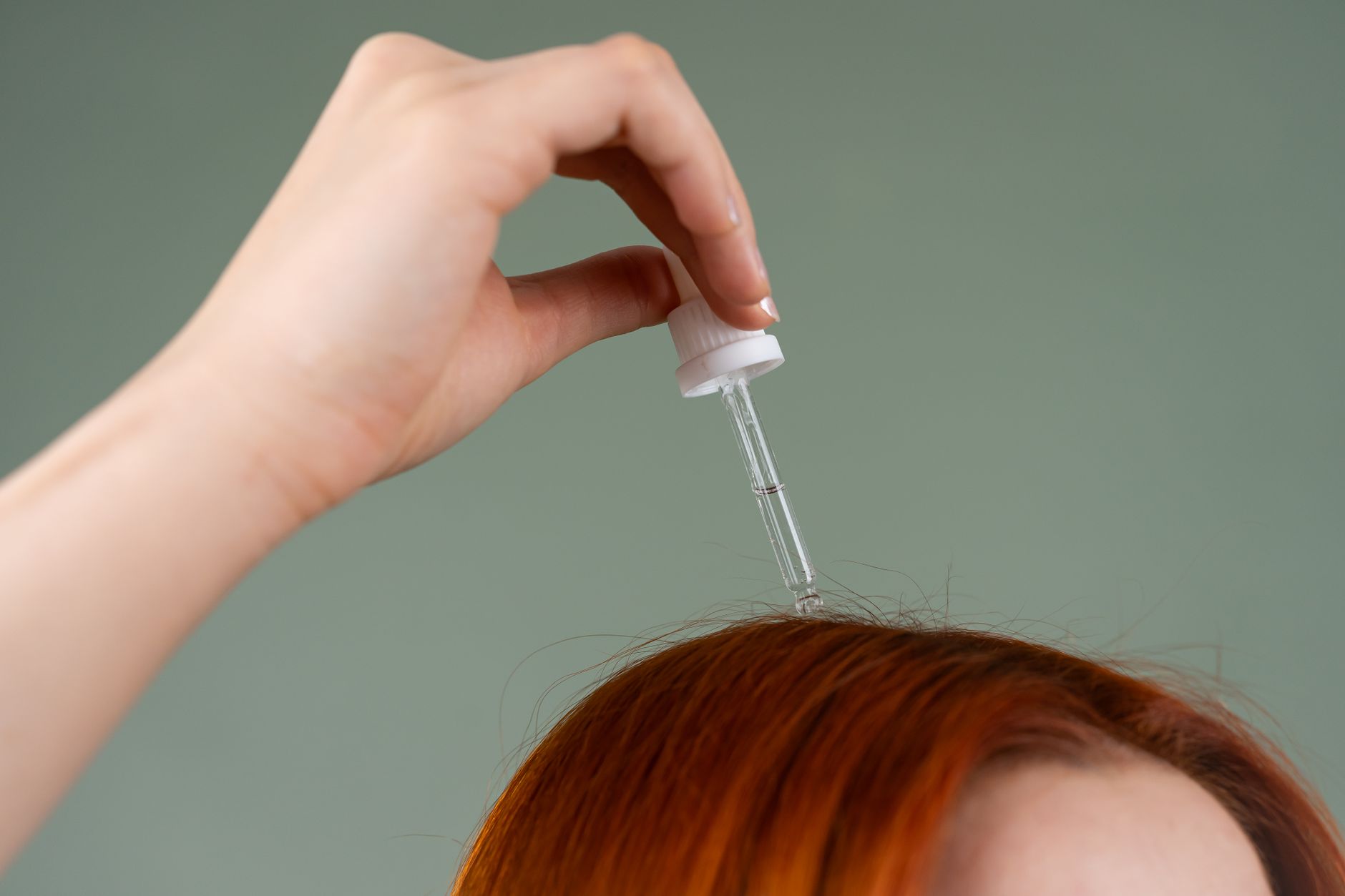
Incorporating scalp massages into your routine can also stimulate blood flow to hair follicles, potentially promoting growth. Using your fingertips, gently massage the scalp for several minutes a few times a week. You can enhance this practice by using a lightweight oil, such as castor oil, known for its potential nourishing properties.
Over a month, I dedicated a few minutes to scalp massages twice a week using a few drops of castor oil. I noted a more relaxed scalp and a slight increase in hair fullness, though again, I cannot definitively attribute these benefits to the massages alone.
Nutrition and Supplements
The health of your hair is closely linked to your overall nutrition. Ensure you are consuming a balanced diet rich in essential vitamins and minerals. Key nutrients for hair health include:
- Protein: Hair is primarily composed of a protein called keratin, making adequate protein intake essential for hair growth.
- Iron: Iron deficiency can lead to hair thinning. Consider including iron-rich foods such as leafy greens, legumes, and lean meats in your diet.
- Omega-3 Fatty Acids: These healthy fats can nourish hair follicles and promote a healthy scalp. Incorporate fatty fish, walnuts, and flaxseeds into your meals.
After focusing on a more balanced diet for three months, I observed improved hair resilience and a noticeable reduction in shedding. This change reinforced my understanding of the profound link between overall health and hair vitality.
Considering Hair Growth Products
For those seeking additional support for thinning hair, various topical treatments and serums are available. Minoxidil, for example, is a well-researched ingredient known to promote hair regrowth. It is generally available in concentrations of 2% and 5%, with studies indicating that 5% is more effective for many users.
During a six-month trial of a minoxidil topical solution, I noted some improvements in density, particularly in the crown area. However, it is essential to approach such treatments with realistic expectations, as results can vary. Moreover, potential side effects should be carefully considered before starting any new treatment.
Conclusion
Adjusting your hair care routine for thinning hair involves a multifaceted approach that encompasses selecting the right products, employing gentle styling techniques, maintaining scalp health, and ensuring proper nutrition. Individual results will vary, and it is advisable to test one change at a time to pinpoint what works best for you. While thinning hair can be challenging, a thoughtful and consistent approach can make a meaningful difference.