This article may contain affiliate links. If you buy through them, Beauty After Thirty may earn a small commission at no extra cost to you. Learn more.
The quest for improved hair texture often leads many toward an assortment of treatments and products, from serums to conditioners. Among these, peptides have emerged as a noteworthy ingredient in hair care formulations. While the marketing around peptides can be enticing, it is essential to delve into their actual role, efficacy, and how they function within the broader context of hair health.
What Are Peptides?
Peptides are short chains of amino acids, which are the fundamental building blocks of proteins. In the context of hair, proteins such as keratin play a critical role in maintaining strength and structure. The theory behind the use of peptides in hair care is that they can penetrate the hair shaft, providing nourishment and potentially improving texture.
Various types of peptides serve different functions. For instance, some are designed to enhance hydration, while others focus on strengthening or repairing damaged hair. A well-researched peptide in hair care is hydrolyzed wheat protein, often found in conditioners and treatments at concentrations of around 2-5%. Hydrolyzed wheat protein specifically has been noted for its ability to penetrate the hair shaft and improve moisture retention and overall texture.
The Mechanism of Action
The mechanism by which peptides affect hair involves several pathways. Firstly, they can help in repairing the cuticle, the outer layer of the hair, which is often compromised by environmental factors, chemical treatments, and mechanical damage. By reinforcing this layer, peptides may help smooth the hair surface, leading to a shinier and healthier appearance.
Moreover, certain peptides possess moisturizing properties that can prevent dryness and brittleness, which are common issues that negatively impact hair texture. The presence of moisture can also enhance the elasticity of hair, making it more resilient to breakage.
Research on Peptides in Hair Care
While anecdotal evidence surrounding peptides can be compelling, scientific studies provide crucial insights into their effectiveness. Research suggests that peptides can help stimulate the production of collagen and elastin in hair follicles, which may promote thicker and more resilient hair growth over time.
Studies have shown that topical application of peptides can lead to measurable improvements in hair texture, though individual results can vary significantly.
Personal Experience with Peptides
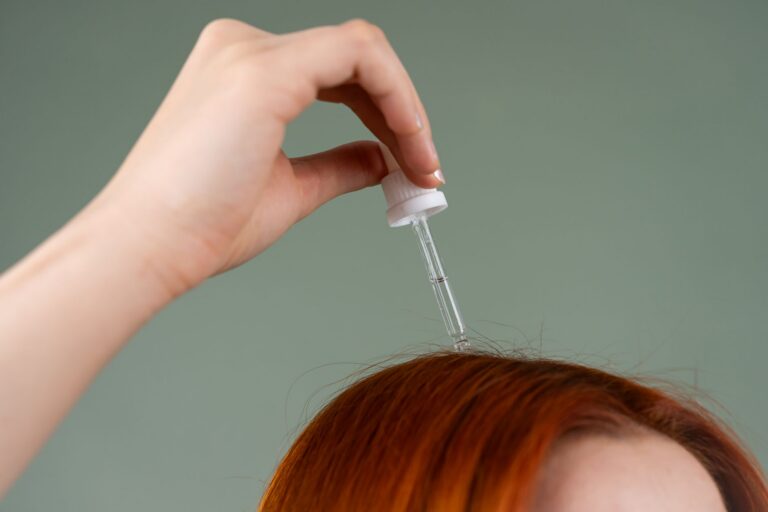
Over the past few months, I have incorporated a peptide-infused hair serum into my routine. The serum contains a blend of hydrolyzed silk protein and other peptides at a concentration of approximately 3%. I applied this product daily to the mid-lengths and ends of my damp hair after showering, observing the changes for eight weeks.
During this testing period, I monitored several factors including hair softness, manageability, and overall appearance. Initially, I noted that my hair felt more hydrated and less prone to frizz. By week four, I could see a visible improvement in smoothness, particularly after styling. However, I remained cautious about attributing these changes solely to the peptides, as multiple aspects of my routine may have contributed.
Evaluating Specific Peptides
While many products tout a variety of peptides, not all are created equal. Here are a few noteworthy peptides that have garnered attention in hair care:
- Acetyl Tetrapeptide-3: Commonly used in hair growth products, it is believed to stimulate hair follicles and encourage hair thickness.
- Palmitoyl Pentapeptide-4: Known for its conditioning properties, this peptide can enhance moisture retention and improve overall hair texture.
- Oligopeptide-72: Reported to provide hydration and improve shine, this peptide aims at enhancing the smoothness of the hair surface.
Testing Different Formulations
To further understand the impact of peptides, I decided to experiment with a leave-in conditioner that featured a combination of palmitoyl pentapeptide-4 and panthenol. After using it for six weeks, I paid attention to my hair’s texture, specifically its softness and frizz control. The product was applied to my damp hair, and I found that it significantly improved manageability without weighing my hair down.
One interesting observation was that my hair felt less brittle after continuous use, particularly in the areas that were prone to dryness. The combination of peptides and other moisturizing ingredients like panthenol (typically effective at 1-5% concentrations) appeared to work synergistically, enhancing the visual and tactile properties of my hair.
Potential Limitations
Despite the promising role of peptides, they are not a panacea for all hair concerns. The effectiveness of peptides can vary based on hair type, the specific peptide used, and the formulation of the product itself. Moreover, while peptides can help restore texture and hydration, they may not address underlying issues such as scalp health or significant hair loss. It is crucial to adopt a holistic approach to hair care that includes proper cleansing, conditioning, and a balanced diet.
Conclusion
Peptides have a legitimate role in enhancing hair texture, particularly when incorporated thoughtfully into hair care formulations. My own experiences with peptide-containing products have shown tangible benefits, particularly in terms of moisture retention and frizz reduction. However, as with any ingredient, individual reactions can vary, and it is essential to assess how your hair responds to these ingredients over time. As always, a methodical approach to testing new products can yield the clearest understanding of their benefits.