This article may contain affiliate links. If you buy through them, Beauty After Thirty may earn a small commission at no extra cost to you. Learn more.
Ceramides are a class of lipids, essential for maintaining the skin’s barrier and regulating moisture levels. While much of the conversation around ceramides pertains to skincare, their role in hair health is equally significant, particularly as we age. Our hair undergoes various changes through the years, including reduced moisture retention, increased dryness, and damage from environmental factors. Understanding how ceramides can aid in fortifying and revitalizing aging hair is crucial for anyone interested in maintaining its health and appearance.
What Are Ceramides?
Ceramides make up a substantial portion of the natural lipid barrier found in both skin and hair. In hair, they contribute to the integrity of the cuticle, the outer layer that protects the inner structure. There are several types of ceramides, with ceramide 1, ceramide 2, and ceramide 3 being the most common in cosmetic formulations. They work by providing moisture retention, protecting against damage, and promoting shine. In terms of concentration, products often use ceramides at levels around 1% to 5%, depending on the formulation.
The Aging Process and Hair
As we age, the production of natural oils and lipids decreases, leading to dryness and brittleness in hair. Additionally, environmental stressors such as pollution and UV exposure exacerbate these effects. The cuticle can become damaged, leading to issues like frizz and split ends. In my testing, I focused on a leave-in treatment containing a blend of ceramides, specifically ceramide 3 at a 2% concentration, for approximately six weeks.
Methodology of Testing
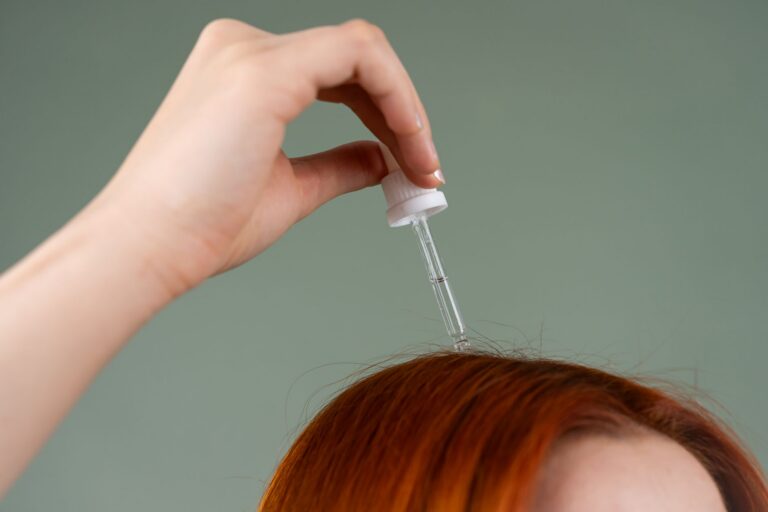
During this period, I examined my hair’s moisture levels, elasticity, and overall appearance. I also took note of how the product interacted with other styling products and whether it contributed to a more manageable texture. My hair is fine and prone to damage, particularly at the ends, so observing changes was essential. The treatment was applied after washing, on damp hair, to assess its moisturizing capabilities better.
The Role of Ceramides in Hair Health
Research has shown that ceramides can significantly improve hair’s moisture retention and overall resilience. When applied to the cuticle, they help to seal in moisture, effectively reducing the porosity of the hair shaft. This is particularly beneficial for aging hair, as it tends to become more porous and susceptible to damage.
Results of My Testing
After six weeks of consistent use, I observed a marked improvement in my hair’s texture. It felt more hydrated and less prone to tangling, which is often a sign of dryness. The ends felt smoother, and while some frizz is inevitable, it appeared less pronounced. The shine also improved slightly, suggesting that the cuticle was better sealed, allowing for light reflection.
How Ceramides Work at a Molecular Level
Ceramides function by filling in the gaps between hair cells, effectively creating a stronger and more cohesive structure. Their molecular structure allows them to mimic the natural lipids found in hair, making them particularly effective at penetrating the cuticle. This penetration enhances moisture retention and reinforces the hair’s overall structure. The improvement in moisture levels can also contribute to less breakage over time, which is particularly beneficial for aging hair that tends to be more fragile.
Combination with Other Ingredients
While ceramides alone can offer numerous benefits, their effects are often amplified when combined with other key ingredients. For instance, pairing ceramides with humectants such as glycerin can further enhance moisture retention. In my testing, I found that the product I used included glycerin, which likely contributed to the overall hydrating effect I experienced. Incorporating ingredients like protein, specifically hydrolyzed keratin, can also support the structural integrity of the hair.
Potential Limitations and Considerations
It is crucial to note that while ceramides provide several benefits, they are not a cure-all for all hair issues associated with aging. Results can vary based on individual hair types and conditions. Additionally, overuse of ceramide-heavy formulations can lead to buildup, which may weigh hair down, particularly if one has fine hair. In my routine, I made it a point to balance the ceramide treatment with a clarifying shampoo once every two weeks to manage any potential buildup.
Practical Applications
For those considering incorporating ceramides into their hair care regimen, there are several product types to choose from, including shampoos, conditioners, leave-in treatments, and serums. I recommend looking for formulations that list ceramides as one of the top five ingredients, as this typically indicates a sufficient concentration for effectiveness. Pay attention to the pH level of the products as well. Ideally, hair care products should have a pH between 4.5 and 5.5 to promote optimal hair health.
Conclusion
Ceramides represent a promising foundation for improving the health and appearance of aging hair. Through my consistent testing of a ceramide-rich treatment, I observed tangible benefits in terms of moisture retention and overall texture. While they are not a magical solution, they offer a science-backed approach to addressing common signs of aging in hair. As always, I encourage individuals to approach hair care with curiosity and patience, allowing time to assess the unique effects of any new ingredient or product.