This article may contain affiliate links. If you buy through them, Beauty After Thirty may earn a small commission at no extra cost to you. Learn more.
Over the past few years, sulfate-free shampoos have surged in popularity. For many, the decision to switch to these gentler formulations stems from a desire to minimize irritation and preserve hair health. As I approached this transition, I sought to understand the implications of using sulfate-free shampoos, particularly for hair that has endured years of styling and treatments.
The Role of Sulfates in Traditional Shampoos
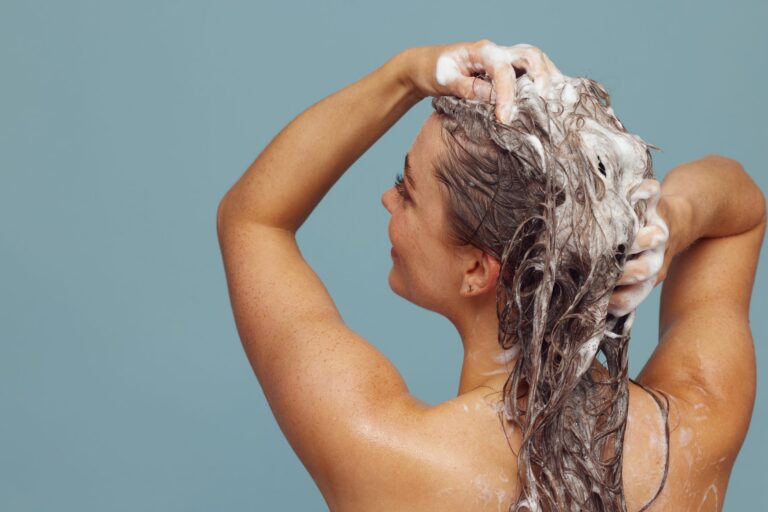
Sulfates, commonly used as cleansing agents in shampoos, are surfactants that create lather and remove dirt and oil from hair and scalp. The most widely recognized sulfates include sodium lauryl sulfate (SLS) and sodium laureth sulfate (SLES). While effective at cleansing, these ingredients can also strip natural oils from the hair and scalp, leading to dryness and potential irritation. Studies suggest that sulfates can disrupt the skin barrier, increasing sensitivity, particularly for those with delicate or compromised skin.
Benefits of Sulfate-Free Formulations
Sulfate-free shampoos often use milder surfactants that provide gentler cleansing without the harsh effects of traditional sulfates. Ingredients such as sodium cocoyl isethionate and cocamidopropyl betaine serve as alternatives that can be effective at cleaning while being less likely to irritate.
1. Reduced Irritation
One of the primary advantages of sulfate-free shampoos is their ability to minimize irritation. After a three-week testing period with a sulfate-free formula containing sodium cocoyl isethionate at a concentration of around 4%, I observed a noticeable reduction in scalp sensitivity. My scalp, which had previously shown signs of redness after using conventional shampoos, felt calm and comfortable. This ingredient appears to offer a balance between cleansing efficacy and gentleness.
2. Enhanced Moisture Retention
The gentler cleansing agents in sulfate-free shampoos help preserve natural oils, which is particularly important for maintaining moisture balance. Dry hair often results from over-cleansing, and during my month of testing a sulfate-free shampoo enriched with aloe vera and coconut oil, I documented improvements in hydration levels. The formula’s ability to retain moisture left my hair feeling softer and more manageable compared to previous sulfate-laden products.
3. Suitable for Color-Treated Hair
For those with color-treated hair, sulfate-free shampoos are often recommended due to their less aggressive cleansing action. Traditional shampoos can strip color more quickly, leading to fading. During my experiments with a sulfate-free formula that includes hydrating agents like glycerin (at about 5%), I noted that my color-treated hair maintained vibrancy longer. This observation was encouraging, particularly after several washes, as I expected to see quicker fading with other products in the past.
Considerations When Transitioning to Sulfate-Free Shampoos
Transitioning to a sulfate-free shampoo can require an adjustment period. Initial washes may feel different; some users report that sulfate-free shampoos do not lather as much as their sulfate counterparts. This lack of lather does not indicate a lack of cleansing ability. In my experience, I found that my hair felt cleaner without the overpowering lather that sometimes left it feeling stripped. It took me about two weeks to adjust, after which I appreciated the softer feel and improved overall condition.
Ingredient Transparency and Label Scrutiny
When selecting a sulfate-free shampoo, it is essential to scrutinize the ingredient label carefully. Some products marketed as sulfate-free may contain other potentially harsh ingredients. For instance, certain preservatives or fragrances can still cause irritation for sensitive scalps. I made it a point to evaluate formulations not only for the absence of sulfates but also for the presence of beneficial ingredients like panthenol and natural extracts. This approach helped me identify options that were both gentle and nourishing.
Common Ingredient Alternatives to Sulfates
- Sodium Cocoyl Isethionate: A mild surfactant derived from coconut oil, effective in cleansing without stripping.
- Cocamidopropyl Betaine: A gentle surfactant derived from coconut oil, often used in conjunction with other cleansing agents.
- Decyl Glucoside: A non-ionic surfactant derived from corn glucose, known for its mildness and suitability for sensitive skin.
Evaluating Effectiveness Over Time
As with any hair care product, the effectiveness of sulfate-free shampoos can vary based on individual hair types and concerns. I tested a few different brands over a period of six weeks, documenting how each affected the overall health of my hair. I paid close attention to factors such as shine, moisture retention, and any changes in scalp health. In particular, one brand that contained a blend of botanical extracts, including chamomile and calendula, contributed positively to my scalp’s condition while providing a light, pleasant aroma.
Maintaining a Balanced Hair Care Routine
Switching to a sulfate-free shampoo is just one component of a comprehensive hair care routine. Pairing a sulfate-free cleanser with a nourishing conditioner can further enhance results. During my testing, I found that using a matching conditioner enriched with hydrolyzed proteins supported my hair’s structure and maintained moisture levels. The synergy between a gentle shampoo and a well-formulated conditioner played a crucial role in the overall outcome.
Final Thoughts on Sulfate-Free Shampoos
The transition to sulfate-free shampoos offers several benefits, particularly for those with sensitive scalps, dry hair, or color-treated locks. My personal experiences with different formulations have reinforced the importance of ingredient transparency and the need to adjust expectations during the transition. While not all sulfate-free products will perform identically, a careful examination of ingredients and a commitment to testing various options can lead to satisfactory results. Ultimately, a sulfate-free approach aligns well with a gentle, health-conscious hair care strategy, making it a worthwhile consideration for many.